Friday, October 20, 2006

Iceland Resumes Commercial Whaling


Paul Nikolov , AFP

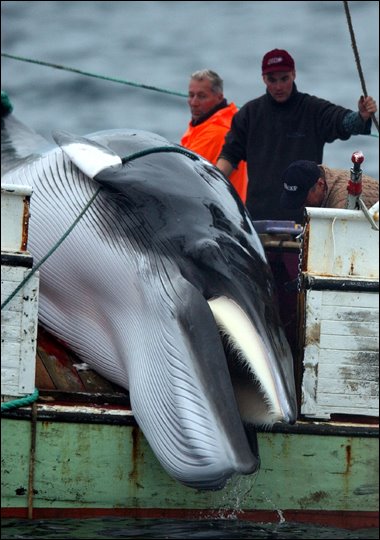
Iceland has said it would resume commercial whaling, making it only the second country to do so after Norway, in a decision that is expected to spark protests from around the world.
Iceland's fisheries ministry said Tuesday it had authorized whalers to hunt 30 minke whales and nine fin whales — on the endangered species list — in the period from Sept. 1, 2006 until Aug. 31, 2007.
"I don't think they'll start the hunt today ... they can start tomorrow (Wednesday) if they like," said Bjoern Brynjolfsson, an assistant to Fisheries Minister Einar Kristinn Gudfinnson.

"The meat will be exported," he added.

Environmental group Greenpeace immediately blasted the decision, saying it "doesn't make any sense whatsoever."

Iceland's fisheries ministry insisted in a statement that "none of the planned catches involve any endangered or threatened stocks of whales.

"They only involve abundant stocks and are linked to Iceland's overall policy of sustainable utilisation of marine resources."

The fin whale is the second largest species of whale after the blue whale.

In the case of minke whales, the proposed commercial catch and the existing planned catch for scientific purposes — numbering 39 — would represent less than 0.2 percent of the minke stock in Icelandic waters, the ministry said.

According to estimates agreed on by the International Whaling Commission (IWC), there are close to 70,000 minke whales in the central North Atlantic Ocean, of which around 43,600 are in Icelandic waters.

Fin whales in the central North Atlantic number around 25,800, according to IWC estimates referred to by the ministry.

Iceland halted whaling altogether in 1990 but in 2003 resumed for what it called scientific reasons.

Marine experts say the scientific value from whale catches is negligible, while environmentalists claim Iceland and Japan invoke scientific reasons in order to exploit a loophole in the IWC's provisions.

As a condition for re-joining the IWC in 2002, Iceland pledged not to authorize a resumption in commercial whaling before 2006. Thereafter it would not be allowed while talks within the IWC regarding sustainable whaling were deemed to be making progress.

At the IWC's 2005 meeting Iceland warned that these discussions were not making sufficient progress and said the 2006 talks had reached a deadlock.

At the June meeting the IWC narrowly passed a resolution declaring that a 20-year moratorium on commercial hunting was "no longer necessary."

However, the moratorium is not in immediate danger as it needs a currently unobtainable 75 percent majority to be overturned.

Reykjavik took the vote to mean it had a legal right to resume commercial whaling.

While the meat from the commercial hunt was to be exported, whale meat caught for research purposes by Iceland is finding a growing home market.


"We have seen a great change in the past two years regarding public attitudes towards eating whale... Restaurants (are) coming up with all kinds of new recipes, from sashimi to barbeque," fisheries ministry lawyer Asta Einarsdottir told AFP.

The meat from this year's catch has been "all but ordered up," she said.

This argument was however rejected by Greenpeace.

"Iceland has virtually no market for whale meat. Whale tourism is worth much more in economic terms," a spokesman for the group said.

He disputed Iceland's argument that it was within its rights to conduct commercial whaling, stressing that the country was "clearly in breach of the intentions of the ban on whaling."


He claimed the IWC vote in June "was a result of bribery ... by Japan... The decision needs to be seen in that light."

Icelandic media reported that a newly-built whaling ship, Hvalur 9, left Reykjavik on Tuesday, but only to test its engines.

According to an Icelandic daily however, the vessel had a full crew of whalers on board.

The owner of the ship, Kristjan Loftson, told the newspaper Frettabladid that his fish factory in Hvalfjordur was equipped and ready to begin processing whale meat.

Reference:Discovery

Delta Society pets offer assistance

By: Lisa Chelenza

Animal-assisted therapy has helped millions of people overcome illness and disabilities and has made life a little more tolerable for those dealing with stressful emotional times.
For pet lovers it's important to learn about what it takes to become a "therapy pet" and how your own pet can join the ranks.


Sue Gilberti and her dog Tara are members of the Delta Society, an organization that screens and trains handlers and their pets to provide visiting animal programs to schools, rehabilitation centers, hospitals and nursing homes. Sue recognized Tara had a gift and wanted to share her with others.
"What really did it for me was that my husband was an oncology patient, and with his doctor's permission I took her up to visit him in the hospital," Gilberti said. "She was great in his room, very comfortable in the setting, and then the doctor and I took her around to other patients and it was just amazing."
But before heading off to work there is training involved for both the handlers as well as the pets.


Sue Gilberti said, "Tara had to learn how to not get really excited around people and how to learn how to not pick something up that drops on the floor, such as a pill."
Tara loves her work and her fans love her for it.
The Delta Society's ranks include thousands of dogs across the country as well as other animals like cats, rabbits and miniature horses. There is even a miniature donkey in Arizona participating in the program.
If you think your pet would be good at animal assisted therapy there are screening and training sessions offered throughout the year. You can find out more information on their website
Deltasociety


Reference:news10now

Rabbits blamed for penguin deaths in landslide


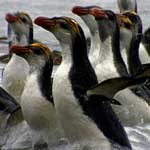
The landslip hit a penguin rookery at Lusitania Bay on Macquarie Island. (file photo) (ABC)


Erosion and heavy spring rains have caused a large landslip on Macquarie Island, in the Southern Ocean about 1500 kilometres south-east of Tasmania, killing penguins in an important colony.
The fragile sub-Antarctic world heritage area has been overrun with more than 100,000 rabbits in recent years, which are stripping the island bare of its plants.
Tasmanian Parks and Wildlife Service general manager Peter Mooney says the landslip happened late last month at Lusitania Bay, on the eastern side of the island, about 25 kilometres from Australia's research base.
He says about 500 square metres of soil gave way due to the combination of heavy spring rains and severe erosion caused by the rabbits.


Put Your Pug On A Mug

"The landslide... has come down onto an area where the penguins roost, and are active," he said.
"These are large penguins, so the topsoil has come down the slope and landed on the flat surface near the ocean.
"The penguins have chicks in place next to the adults and a number of penguins were killed by the landslide.
"We can't tell how many because it's on the edge of the rookeries."
A $10 million rabbit eradication plan has not yet received funding approval from the federal or Tasmanian governments.
Mr Mooney says the eradication plan is vital.
"As you can appreciate it's a number of years the program would have to be adopted over, and a large share of the funding would have to be expended in the first few years to have the major knockdown," he said.
"Then you have the last few years in a continuous monitoring program and we certainly need a large amount of funding in the first few years and then it would scale off after that."


Reference:>abc


Doggie Days Seniors for Seniors Adoption-Oct. 21-22

The Animal Humane Association of New Mexico (AHANM) and Purina are joining forces to proclaim October as “Seniors for Seniors” month. In an attempt to communicate the life-enriching benefits of pet ownership among senior citizens, and to help homeless pets find loving homes, the Association will be hosting an adoption event.

At this event, senior citizens sixty years and older wishing to adopt a pet two years or older and who meet AHANM’s adoption requirements, will be able to adopt for free, thanks to Purina’s “Pets for Life” program and funding from a generous anonymous donor. In addition, AHANM will offer animals five years old and older for a reduced adoption fee of $35.00, to non-seniors, in an effort to find senior pets new homes.


When:October 21st and 22nd

Time:10am to 6pm

Where:615 Virginia St. SE

For more information, please visit ahanm or call 255-5523

Same Day Shipping


Reference:kobtv

Giant Pandas Have Color Vision


Jennifer Viegas, Discovery News

When Zoo Atlanta’s baby panda opened its eyes for the first time last Thursday, it viewed the world in color, according to a new study that concluded all giant pandas see in color.


The find adds to the growing body of evidence that most mammals, and particularly carnivores, possess some sort of color vision. Giant pandas are classified as carnivores, even though they act like plant-loving herbivores, since they prefer to spend their days quietly nibbling on bamboo shoots and leaves.

Researchers investigated color vision in the baby panda’s mother, Lun Lun, and father, Yang Yang, and determined that while both see color, it is not fully comparable to what humans see.


Angela Kelling, who led the study, told Discovery News, "It is most likely that giant pandas are dichromats, confusing colors in the blue-green portion of the spectrum with gray."


Dichromats lack a gene and certain protein pigments in the retina that trichromats, such as humans, possess. They often have trouble distinguishing between certain colors, but they also seem to possess a keen ability for differentiating among white, black and the various shades of gray in between.

Disney Movie Club (Buena Vista Home Entertainment)


Kelling, a graduate student at the Georgia Institute of Technology's Center for Conservation Behavior, presented Lun Lun and Yang Yang with PVC pipes hanging under colored pieces of paper. Eighteen shades of gray paper were used, along with green, red and blue papers. If the panda pushed a pipe under a color other than gray, it received a food reward.


Both bears performed above chance during almost every trial, which indicates they can at least determine if something is gray or colored.


Findings are published in the current issue of Learning and Behavior.


"Color vision, which tends to go along with better daylight visual acuity, would allow them to perceive bamboo patches from a distance," said Kelling, who also thinks such visual skills would aid the pandas in choosing healthy, colorful bamboo plants as opposed to dull-hued, dying ones.


Terry Maple, director of Georgia Tech’s Center for Conservation Behavior, told Discovery News that he wasn’t surprised by the study results.


"Angela deserves a lot of credit for her patience and ingenuity," he said. "Pandas can be stubborn."


Maple added, "Although most mammals appear to be dichromatic, you don't really know until you test them. Now that we know how to test them, further research may determine the full scope of their color vision."

Reference:Discovery

Thursday, October 19, 2006

Cleveland TN All Urgent: 2 poodles to be PTS


Urgent Adoptable Pets Of The Day

Cleveland Animal Control Division

Cleveland, TN423 479-2122


Name: Buster
Breed:Terrier,Poodle Mix
Size: Medium
Age: Adult
Gender: Male

Description:Buster is a beautiful companion dog who is looking for a loving home. He is great with other dogs and is looking for a place to share his life and love. Buster is around 5 yrs old and so very sweet! If you are the one, please contact the Cleveland Animal Shelter ASAP. 423-479-2122 or 423-559-3333 Thank you.


Pet Health Insurance For Cats & Dogs


Breed:Poodle
Size: Small
Age: Senior
Gender: Male


Description:Little Buddy is a beautiful companion dog who is looking for a loving home. He is great with other dogs and is looking for a place to share his life and love. Little Buddy is a senior citizen who needs a warm place to call home. He has devoted his life as a faithful companion. Please, can you return the favor. He is a lap dog and only wants to be loved. If you are the one, please contact the Cleveland Animal Shelter ASAP. Thank you. 423-479-2122 or 423-559-3333


Reference:PetVersatility-DurbyPawsCrosspostingGroup

2nd -chance friendly dogs need sponsor and transport to the NE


Please help these sweet dogs, puppies!

These very petworthy dogs are from the Murray County Shelter (just north of Atlanta and just south of Chattanooga, TN) A couple here were so sweet that they were given a 2nd chance from being killed. ALL need rescue ASAP! Please say you can help them!!
NOTE: The pups must have a rescue lined up ASAP, but can stay at the shelter a couple days longer if needed. Also, free transport to Atlanta is available. Transport to the Northeast is leaving this weekend.

DM-917608 - SMALL DOGs - COME w/ SPONSOR $ - This very friendly beagle mix male weighs just 35 lbs. Has a sister who looks just like him. Both have perfect temperaments. (I'm cuter "in person!")

The sweet dog above are availible for adoption along with many other dogs and puppies.


>see our Petfinder site for many more dogs and puppies in need.

Over 1.3 Million Jobs Available


Reference:PetVersatility-DurbyPawsCrosspostingGroup

Views wanted on animal mutilation


Opinions are being sought on plans to ban acts of animal mutilation in Scotland under new laws which came into force earlier this month.

The consultation will cover issues including castrations, ear tagging, tail docking and branding.

It follows the introduction of the Animal Health and Welfare Act which gives animals more protection.

The consultation will be sent to about 3,000 groups with an interest in animal welfare and will close on 5 January.

The new act established a duty of care for animal owners and introduced a maximum prison sentence of 12 months and fines of up to £20,000 for anyone guilty of causing unnecessary suffering.

Animal Welfare Minister Ross Finnie said: "The consultation paper lists a number of procedures which we believe need to be permitted in order for normal farm animal husbandry to take place.

"No provision has been made to allow for the tail docking of puppies.

"I recognise that this has provoked a strong reaction and I would encourage those who believe they have evidence to support exemptions to take part in the consultation."

Procedures are carried out on farmed animals, working animals, animals used in sport and entertainment and pets.

They include castration, tail docking, de-horning, branding, tattooing, ear tagging, de-clawing and nose ringing.

Scottish poll

Edinburgh-based lobby group Advocates for Animals commissioned a Scottish poll of which there were 1036 respondents.

It found that that nine out of 10 people surveyed believed all or some such procedures should be banned.

Less than one in 10 of those questioned thought that all procedures should be allowed to continue.

Spokeswoman Libby Anderson said: "This consultation is an important opportunity for each of the currently practised mutilations to be re-assessed on a case-by-case basis.

"Such a re-assessment should cover the latest scientific evidence of pain, distress or disability caused to the animal and alternative solutions to the problems the mutilations were intended to solve."

"This consultation is an important opportunity for mutilations to be re-assessed on a case-by-case basis"

Libby Anderson
Advocates for Animals

FREE Zoobooks Issue and Tiger Poster!

Feel free to leave your comments and let The Retriever know what your views are on animal mutilation.


Reference:bbc

Animals killed in air gun attacks

Animal inspectors have collected the bodies of three animals all shot by air guns in the Black Country in one week.

The RSPCA said a black cat had to be put down after being left paralysed when it was shot several times in Wednesbury last Monday.

On Thursday in the same town a coloured dove was found shot dead and a swan died after being shot in the head by Effington Canal in Walsall on Sunday.

A spokeswoman said she was appalled people could be so callous.

Criminal offence

Insp Pam O'Neil of the RSPCA said: "I am appalled there are people out there who are callously targeting living creatures when firing air guns.

"To do so is a criminal offence and one which is taken seriously by the RSPCA and the police."


Air gun attacks on animals were increasing, she added.

In 2005, in Wales and the West of England the RSPCA dealt with 14 calls about shot cats, 10 relating to water birds and 22 about other birds.

"We believe these figures represent a small portion of the animals being shot each year as many more incidents are not reported to the RSPCA," she said.

Reference:bbc

Wednesday, October 18, 2006

Save a Life: Roicy/Lafayette, LA - Rescue needed by 10/19 at 5pm w/ PTS 10/20 am (unless held over)


All the cats were all held over today BUT rescues and adoptions are desperately needed. There were NO cat adoptions last week, which means they will have to begin euthanizing cats very soon. Our petfinder site was down like many for at least a day and a half which was VERY bad for rescue/adoption this week. There are several cats that have been held over at least 3 times. Roicy is really trying to give these cats a chance even though stray hold is full. Kissing Kitty is the sweetest grey Tabby and so full of love. She is not a fancy cat which many people go for when looking to adopt. Purring Pussycat (gray Tabby), 2 Purring Tabby kittens, and Purfect Purrer (Buff Tabby) are those in the most danger and in need of rescue. Tabby Man and Mercury (Orange Tabby) are also wonderfully sweet and loving cats. A very unusual Siamese Manx Tabby cross is a very cool & interesting looking cat. Please consider one cat and help save a precious life that otherwise does not have chance.

There were several dogs and some puppies put down this week, but many were held over. The 4 Shepherd mix puppies were rescued by an out of state rescue. Please consider the held over female Terrier (JRT looking) "Abused & Abandoned." She deserves a better life than what she has had and needs some TLC to heal her emotional scars. Sadie, the Rat Terrier, is a very sad owner surrender because she was dumped by her family. Then there is "Scared Stiff" the Heeler/Aussie mix that is also scared but warmed up quickly to a caring touch.


There is a blue Chihuahua that I can't believe is still available, as Chi's are usually adopted/rescued. The female Aussie/Border Collie is a stunning dog that looks like she may have some Setter mixed in. Just a sweetheart and very unusual looking. There are several puppies and of course, Black Labs along with a Chocolate Lab, and a Yellow Lab with a broken spirit. Please give hope to these dogs that somehow ended up on death row through no fault of their own.

A very special thank you to Melissa, a new local volunteer who jumped right in and has helped to pull, transport, and foster. Also, to one of our long distance volunteers Trish from Minnesota who continues to coordinate rescues, transports, and so much more! Without their support and that of other volunteers we could not make a difference in the lives of the many animals that come through the doors of Roicy. And to you, thank you to the rescues and individuals that continue to care about and help these wonderful animals.


Contact Information: http://acadiana.petfinder.com;
roicyvolunteers@gmail.com
www.1-800-save- a-pet.com/ (zip code 70507)


Reference:PetVersatility-DurbyPawsCrosspostingGroup

Caribou killed by car after making surprise appearance in Colo.

The Associated Press

GREELEY, Colo. (AP) - Wildlife officials were puzzled by the rare appearance a caribou that was struck and killed by a car in Colorado this week, hundreds of miles from its normal range.


The buck, weighing an estimated 350 pounds and sporting a large rack of antlers, was spotted Tuesday grazing beside U.S. 85 about 10 miles south of Greeley and 40 miles north of Denver.

Startled by the horn of a passing train, the animal dashed into the path of a car and was struck and killed, said Gene Fisher, a state Department of Transportation employee who witnessed the incident.

Caribou normally live in the arctic regions of northern Canada, Alaska and Greenland.

"We don't know where a caribou would come from," state Division of Wildlife manager Chad Morgan told the Greeley Tribune in Wednesday's editions. "We don't know of any farms that have them in this area. I've been here four years, and I've never seen one."

The Colorado Department of Agriculture, Division of Wildlife and State Veterinarian's office said they had no records of caribou in Colorado.

The caribou was taken to a transportation department facility near Greeley.

Premium Internet for as low as $6.95! Get NetZero Platinum!


Reference:adn

Animal aid takes a bite of city funds

By RINDI WHITE
WASILLA -- The cost of the city's contract with Houston Animal Safety and Protection has ballooned over three years, leaving one city councilman wondering if Wasilla should look elsewhere for service.
The City Council agreed unanimously last week to renew Houston's contract for $60,000 through June 2007. That's $10,000 more than the city paid for animal service in fiscal years 2005 and 2006. In 2004, the city paid only $26,000.
Councilman Mark Ewing said Thursday he's distressed that the city pays Houston $5,000 a month, regardless of how much service is provided. In May, animal protection handled only 35 calls, he said. The call volume went up through the summer, reaching a high of 153 calls in July.
Ewing said the city might get animal service for less if its code compliance officer, who writes citations for parking in handicap zones and other property-related violations, also handled animal calls.
Matanuska-Susitna Borough officials, who used to handle animal calls for the city, say they would have liked the opportunity to bid on the service. The borough offers comprehensive animal care services, more than Houston can provide, Mat-Su Animal Care chief Dave Allison said.
"A citizen's view of the whole thing is our facility offers a vet five days a week, a vet on staff. We're able to handle a variety of species," Allison said. "We have trucks and equipment for trained, certified officers and all the stuff to deal with it."


Dennis Lords, chief officer at Houston's two-man department, said he and his deputy officer Rick Molburg don't have formal training but know how to work with animals. They also work with local veterinarians and get a lot of help from rescue groups and other agencies to give the best care they can, he said.
In the 1980s Lords worked for a private company that provided animal care service in Anchorage. Molburg learned dog care by growing up in a mushing family and, more recently, working at a musher's kennel.
"We're planning on working in training; we're just not to that point yet," Lords said. "We're still brand new, really."
Houston has been in the animal care business since July 2002, after local residents pressed city councilors to add the service. Wasilla's contract was a shot in the arm for the fledgling service. Today, Lords said, 70 percent to 80 percent of the department's calls come from Wasilla.
Lords said he believes the city would try to continue offering animal service if Wasilla cut the contract, although the department would see deep reductions.
So far, however, there's no indication Wasilla city officials want to consider other services. From Wasilla Police Chief John Glass to the city clerks, everyone at the city remarks on how few complaints they get about Houston's response to animal calls. Several, including deputy city clerk Jamie Newman, said the happiness is in stark contrast to three years ago, when Mat-Su Animal Care fielded loose-dog calls for the city.
"We had so many animal control issues," Newman said. "We got complaints continually."
Money was the root of the contract cancellation in 2003, Wasilla deputy administrator Sandra Garley told City Council members Oct. 9. For 10 years, Wasilla had paid the borough about $26,000 annually for animal care services. In 2003, borough officials asked for significantly more money: $150,000, Garley said.
Borough officials two weeks later brought back a lower number -- $90,000, she said. But by then the city had another option in the works.
Meanwhile, Houston offered to handle the city's animal calls for $26,000. Houston's was a fledgling department, with one year in operation, one officer and no animal shelter. Their price nearly doubled the next year, said Wasilla finance director Ted Leonard.
"The volume was just larger, more than they thought and more than we thought," Leonard said.
A $60,000 contract with Houston puts the contract within sight of what the Mat-Su Borough originally asked, Ewing said. He researched the 2003 negotiations and found the borough's second offer was actually $69,980, not $90,000.
Garley wasn't working at the city when the contract was discussed in 2003 and no one at the city was able last week to explain the $90,000 figure.


Reference:adn

Tuesday, October 17, 2006

Urgent Rescue:Franklin County, NC


Two beautiful Australian Sheperd Mixes Are
In Need Of A Home

Size:Large
Age:Adult
Sex:N/A
ID: M0249 & M0250


This male and female Aussie mixes were owner surrendered on 10/16. The male is the darker grey and has the sad look on his face. The female is lighter. They both have one blue eye and one brown eye. They are available for adoption now. For current information on pet's availability, please call the ANIMAL CONTROL OFFICERS DIRECTLY AT 919-496-3032 during their open hours 9-5pm Monday Thur Friday. There extended hours are on Thursday's from 5pm to 7pm. Be sure to MENTION ID number M0249 &250 when calling. Please understand that the officers may have limited information on the pet's prior history. Pets with a history of aggression are not available for adoption and would not be listed here. The animals in this shelter do not receive any vaccinations. It is highly recommend to take the animal to a vet ASAP.


Animal Shelter Contact Information
Franklin County Animal ControlLouisburg
Phone: 919-496-3032, NC919-990-1046
E-Mail:heavenscent@aimisp.com , ourfostersrock@aimisp.com


SmartPakCanine.com


Monday, October 16, 2006

More Hotels Opening Doors To Pets


Catering To Canine Needs Is On The Rise

The hotel business is a $113 billion industry and hotel owners are always looking for ways to expand their market.

Since 19 percent of Americans take their pets with them when they travel, hotels nationwide are pulling out all the stops for animal companions.

AAA says that pet-friendly properties have grown 28 percent since 1999 — more than 13,000 hotels nationwide.

When patrons check in at the four seasons Atlanta, they are given a newsletter that explains where there are nearby parks to take his dog, plus numbers for services like doggie daycare, grooming, even room service — just for dogs.

"People are traveling more with their families whether it be their parents their children and their pets," Denise Flanders, the general manager of the Atlanta Four Seasons told The Early Show veterinary correspondent Dr. Debbye Turner.


Chicken, filet mignon, a $120 caviar spread and salmon are among the dishes prepared at the Atlanta Four Seasons. But when the executive pastry chef David Jeffries isn't designing perfect wedding cakes, he is baking fresh doggie snacks made with ingredients like peanut butter, oats and eggs.

The Loews Regency in New York has the Loews loves pets program. Road weary hounds that stay there get a special placemat, food bowls and even a toy when they arrive.

"We go way beyond just allowing guests to bring pets," said Emily Goldfischer of Lowes Hotels. "It's about making the pets feel so comfortable, it's better than being at home. People are so passionate about their animals that I am not that surprised that the program has been such a hit."

Frequent traveler Tom Lynch chose Loews specifically because of their pet-friendly ways.

"Where else do they remember the dog's name? They don't know my name but they know Daisy's name," he said.

There are also learning vacations where your dog can surf and record an album in Tennessee. At the Peaks resort and Golden Door spa in Telluride, Colo., your dog can get "paw"dicures and massages.

Sasha Proano takes her Yorkie with her everywhere she goes. Because the W hotel averages about 50 guests and their pets per month at five New York locations, it is one of the places she chooses to frequent

"I want him to be treated the same that I do. He's my own. He's my only one and I feel like he deserves it," he said. "They also provide a big pillow, which he enjoys. He doesn't want to sleep in the bed with me. That's usually not common, not at home."

AAA's Top Ten Cities For Traveling With Pets

1. Houston
2. San Antonio
3. Austin
4. Albuquerque
5. Phoenix
6. Dallas
7. New York
8. Orlando
9. Nashville
10. Tucson

For more information, visit these sites:


Four Seasons Atlanta

Loews Hotels

The Peak Resort

W Hotels

The Benjamin

Pets On The Go

Pets Welcome

Travel Dog

Dog Friendly

Barnes & Noble


Reference:cbsnews

Sunday, October 15, 2006

New Mouse With Big Ears Found in Cyprus


Thomas Wagner, Associated Press - A previously unknown type of mouse has been discovered on the island of Cyprus, apparently the first new terrestrial mammal species discovered in Europe in decades.

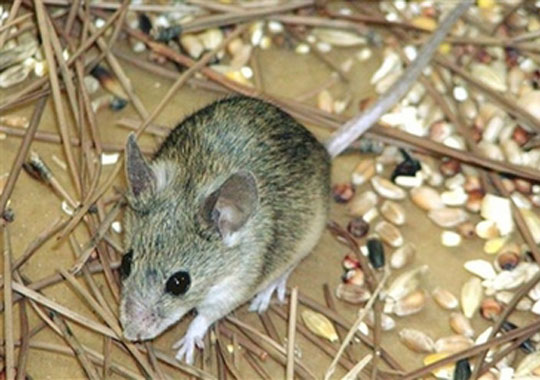
Big Find in a Small Size An image of a new species of mouse, Mus cypriacus. The 'living fossil' mouse has a bigger head, ears, eyes and teeth than other European mice and is found only on Cyprus. Genetic tests confirmed that the mouse was a new species and it was named Mus cypriacus, or the Cypriot mouse.

The "living fossil" mouse has a bigger head, ears, eyes and teeth than other European mice and is found only on Cyprus, Thomas Cucchi, a research fellow at Durham University in northeast England, said Thursday.

Genetic tests confirmed that the new mouse was a new species and it was named Mus cypriacus, or the Cypriot mouse, he said.

His findings appeared in the peer-reviewed journal Zootaxa, an international journal for animal taxonomists.

The biodiversity of Europe has been combed through so extensively since Victorian times that new mammal species are rarely found there, and few scientists had expected new creatures as large as mice to be discovered on the continent.

"New mammal species are mainly discovered in hot spots of biodiversity like Southeast Asia, and it was generally believed that every species of mammal in Europe had been identified," Cucchi said. "This is why the discovery of a new species of mouse on Cyprus was so unexpected and exciting."

Cucchi said a bat discovered in Hungary and Greece in 2001 was the last new living mammal found in Europe. No new terrestrial mammal has been found in Europe for decades, he said.

Cucchi compared the new mouse's teeth with those from mouse fossils collected by paleontologists. The comparison showed the new mouse had colonized and adapted to the Cypriot environment several thousand years before the arrival of man, the university said in a statement.

The discovery indicated that the mouse survived man's arrival on the island and now lived alongside common European house mice, whose ancestors had arrived with man during the Neolithic period, the university said.


Discovery Channel Store Exclusive Roboreptile


"All other endemic mammals of Mediterranean islands died out following the arrival of man, with the exception of two species of shrew. The new mouse of Cyprus is the only endemic rodent still alive, and as such can be considered as a living fossil," Cucchi, a Frenchman, said in a telephone interview.

Shrews are small mammals that resemble mice but have a long, pointed snout and eat insects.
Cucchi, an archaeologist and expert on the origin and human dispersal of house mice, found the new species of mouse while working in Cyprus in 2004.
He was examining the archaeological remains of mice teeth from the Neolithic period and comparing them with those of four known modern-day European mice species, to determine if the house mouse was the unwelcome byproduct of human colonization of the island 10,000 years ago, the university said.

"The discovery of this new species and the riddle behind its survival offers a new area of study for scientists studying the evolutionary process of mammals and the ecological consequences of human activities on island biodiversity," Cucchi said.

Reference:Discovery

Baby Panda at Zoo Opens Its Eyes


Associated Press AP Photo/Zoo Atlanta— Zoo Atlanta's baby panda opened it eyes for the first time on Thursday.

Zoo officials made the discovery during a physical examination of the 36-day-old unnamed female cub.

"She's probably able to see now," said zoo veterinarian Dr. Maria Crane. "We noticed she's paying more attention to her environment."


Crane said it's hard to know how much Lun Lun's cub is actually seeing. The newborn appeared slightly startled at one point during her checkup when she noticed staff intently watching her.


Save up to 75% for all horse products at Petcraze.


The cub, whose name will be chosen in two months, has grown a little more than 16 inches in length in the past week and gained just under a pound, growing to 3.8 pounds.

"She's a very solid cub," Crane said. "Her growth is nice and steady, and that's really a testament to how well Lun Lun is taking care of her."

One Month, 3.8 PoundsLun Lun cares for her cub after its second health check on Oct. 5, 2006, at the zoo in Atlanta. The baby panda opened it eyes for the first time on Thursday, Oct. 12. Zoo officials made the discovery during a physical examination of the 36-day-old, 3.8-pound unnamed female cub.


The baby cub was conceived after seven years of zoo officials trying to encourage Lun Lun and Yang Yang, the father, to mate. Officials finally resorted to artificially inseminating the 8-year-old Lun Lun with semen taken from Yang Yang.

A panda cub at the National Zoo in Washington, D.C., born last summer was also the product of artificial insemination.

Only four giant pandas have been born and successfully raised in a U.S. zoo.


Reference:Discovery

Saturday, October 14, 2006

Cities Crowd the Field to Lure Lucrative Horse Shows

Oklahoma City, situated in the middle of the United States and at the confluence of three major interstate highways, long has been an inviting home to equine events, enough so that some in that industry refer to the city as the Horse Show Capital of the World.

With 15 major events scheduled at State Fair Park during the next year while buildings there undergo major renovations, the city is trying hard to live up to that title as competition for top shows increases. The Grand National and World Championship Morgan Horse Show were held at the park last week.

“That’s the state of the industry now,” said Steve Collier, the vice president for strategic event development of the Greater Oklahoma City Chamber of Commerce. “Everyone has to improve their facilities and product in order to stay ahead of their competitors.”

In Lexington, Ky., where the Kentucky Horse Park will play host to the 2010 World Equestrian Games, a $35 million covered arena — financed by the state — soon will be built, along with a privately developed hotel. Down Interstate 64, Louisville has the World’s Championship Horse Show, the most important event of the year for those on the saddlebred horse circuit, at Freedom Hall.


Pet Health Insurance For Cats & Dogs


A privately developed, 4,400-seat equestrian facility at a casino in Las Vegas is luring events like the International Friesian Show Horse Association Grand Nationals, scheduled for Nov. 10-12. In 2008, Tulsa will be the host city for the United States National Arabian and Half-Arabian Championship Horse Show, a show that spent 30 years in Louisville.

Facilities in Albuquerque, Denver and Fort Worth, among others, also are making bids for equine events, in hopes of luring their human participants — and their money.

“Oklahoma City and the Kentucky Horse Park are probably the two out front,” said John Long, the chief executive of the United States Equestrian Federation, the national governing body of equestrian competition. “But the rest of the pack is gaining, because cities do see the economic impact these shows can bring.”

That impact is considerable because of the volume of people involved in the shows. Caroline Fauks of Edmond, Okla., — who along with her husband, Steve, serves as the Morgan Horse Show’s manager — said about 7,000 people are connected in some way with the event, which lasts eight days and is one of the largest shows that uses the fairgrounds.

The State Fair assistant general manager, Scott Munz, said a recent study indicated equine shows had an annual economic impact of $182 million on the Oklahoma City economy and were responsible for 3,600 jobs. Those numbers provided strong incentive when city and fair officials began hearing rumblings from those connected with the shows that the fair’s facilities were starting to become run down.

“Obviously we have to be looking over our shoulder,” Munz said. “It’s a very competitive marketplace.”

In 2004, voters approved an increase in Oklahoma City’s hotel-motel tax to 5.5 percent from 2 percent. The majority of the money raised by the tax increase is financing $55 million worth of bonds to pay for the upgrade of equine facilities at State Fair Park. When the upgrades are finished next year, the fair will have about 3,200 horse stalls available. Also, the recent demolition of All Sports Stadium — once the home of the city’s minor-league baseball team — has added extra parking near the fair’s equine facilities.

Those improvements, along with Oklahoma City’s location along Interstates 35, 40 and 44 and its experience playing host to equine shows, will give the city an advantage in the quest to lure more events and keep ones like the American Quarter Horse Association World Championship Show, which has been in the city for three decades and plans to stay until at least 2015.

“Facilities like this just get booked and booked and booked,” David O’Connor, the United States Equestrian Federation president, said during a visit to the Morgan Horse show. “This is the future of where horse sports are all going — public lands, available for everybody for use. It’s fun to see this much effort being put into a renovation.”

Like Oklahoma City, other cities are not standing pat.

The Kentucky Horse Park in Lexington has 1,084 permanent horse stalls and can add about 700 to 800 more for major shows, the spokeswoman Lisa Jackson said. The Horse Park holds 16 major individual shows and about 55 to 60 smaller shows each year and is the home to 29 national, regional or state equine organizations, including the equestrian federation’s office.

Because of its outdoor facilities, the Horse Park can play host to competitions that other equine-related locations cannot, including eventing and polo, Jackson said. The park’s new 6,000-seat indoor arena is being designed with input from equine organizations in hopes those organizations might be lured to hold events at the park, said John Nicholson, the park’s executive director.

The South Coast Equestrian Complex in Las Vegas has 1,200 climate-controlled horse stalls and includes 80,000 square feet of exhibit space, according to its Web site. The city already is the host to Western-themed events including the National Finals Rodeo.

“We have 40 million visitors each year, and our challenge is to find new markets to tap into and new areas for growth,” Cara Roberts, the Las Vegas Chamber of Commerce spokeswoman, said. “We think the whole horse show industry has a lot of potential for growth for our city.”

Oklahoma City is fortunate that it recognized that potential long ago, Collier said, and city officials want to continue to cultivate positive relationships with the equine groups interested in staying, returning or coming for the first time.

The Morgan Horse show is under contract to stay in Oklahoma City through 2012. Guy Brown, the interim executive director of the Shelburne, Vt.-based American Morgan Horse Association, said the organization is pleased with the ongoing improvements at the fairgrounds.

“Oklahoma City got the nod because of its location in the beginning, and they’ve capitalized on it since then,” Brown said, referring to the Morgan show. “Oklahoma embraces the Morgan horses coming to town, and we love coming here. We feel wanted.”

Now, he said, “other cities are getting the message.”


Reference:nytimes

Animal Shelter Facing Closure


A Niles animal rescue is being forced to move more than 50 animals, and could face shutting down.

Jennifer Boyer and Nancy Barrows run the Twisted Oaks Animal Rescue out of their home. Right now, they have about 50 abused or neglected animals from goats, to pigs, to horses.

But their property isn't zoned to house all the animals. They have until November 7 to move them off the property to temporary housing until they can find a new farm. The rescuers say it can be devastating for the animals.


Visit Petscriptions.com Today


“Our biggest worry is that they will mourn or we will lose them,” Barrows told NEWS22. “We just love them -- they are in our hearts.”

The women say they aren’t giving up on their efforts. They are desperately searching for a new farm and money to make the move. They hope to bring their animal family back together again soon.

Reference:wsbt

Two Decapitated Dogs Found With Wild Animal Carcasses

Animal cruelty investigators are investigating the deaths of two dogs found bound and decapitated in Washtenaw County. They were caught in traps set for wild animals.

The dogs were discovered this month with the carcasses of wild animals.


We're Not Just For Ferrets!


The Humane Society says a female Rottweiler was found alongside five skinned coyotes. A second dog found this week appeared to have been dead for several weeks. A spokeswoman says children stumbled across the animals.

The Humane Society is investigating the case with the county sheriff’s department. A $5,000 reward has been offered for information.

Reference:wsbt

Sunday, October 08, 2006

Bones of ancient giant camel found

DAMASCUS, Syria — The bones of a giant camel dating back 100,000 years have been unearthed in the Syrian desert, a government newspaper reported over the weekend.

The bones were discovered by a joint Syrian-Swiss archaeological team at the site of al-Hemel in the Palmyra region about 155 miles northeast of Damascus, the state-run Tishrin daily reported Saturday.

The discovery revealed that the Syrian desert "is the first origin of the camel," Bassam Jammous, director general of the Antiquities and Museum Department in Syria, told the newspaper.

He said the animal would have been some 13 feet tall _ double the size of the modern-day camel _ and "poses a revolution in the world of archaeological discoveries."

Officials with the Swiss archaeology team could not immediately be reached for comment Sunday.

The discovery of the bones was first reported in 2005.

Internet service for $10.95 per month - no ads!

Dog owners warned over sugar-free items

NEW YORK (Reuters) - Keep those sugarless treats out of Fido's reach. Veterinarians warned on Friday that a commonly used sweetener might cause liver failure in dogs, and perhaps even kill them.

Their report in the Journal of the American Veterinary Medical Association appears to strengthen the suspected link between the sugar substitute xylitol, thought to make dogs sick, and possible liver failure.

Xylitol, a naturally occurring product, is found in many sugar-free chewing gums, candies, baked goods and toothpastes.

Researchers Sharon Gwaltney-Brant and Eric Dunayer with staff at a poison unit of the American Society for the Prevention of Cruelty to Animals in Urbana, Illinois, gathered information on eight dogs treated between 2003 and 2005 after eating products containing xylitol.

Each dog became ill, and five died or had to be put down because of liver failure, possibly from ingesting xylitol.

One dog who had to be euthanized had eaten four large, chocolate-frosted muffins containing about 1 pound (0.45 kg) of xylitol.

"People don't think sugar-free gum can kill their dog. I didn't before I got into this. But this is something people should be aware of," Gwaltney-Brant, who co-authored the study with Dunayer, said in a statement.


Search Yahoo! HotJobs now for jobs


Gwaltney-Brant said for dogs, ingesting even a small amount of xylitol can trigger significant insulin release, which drops their blood sugar and can be fatal.

"A 22-pound (10-kg) dog who consumes one gram (0.03 ounces) of xylitol should be treated," she said, adding that further studies were needed to definitely establish a cause-and-effect relationship.

Reference: Yahoo News

Tuesday, September 19, 2006

The Newest Member Of Shamu's Family Has Arrived

SeaWorld Orlando welcomed a new baby killer whale to the Shamu family on Monday, September 18. The calf's mother, Katina, gave birth to the 7-foot- long, 350-pound newborn at 3:23 p.m. in the park's multimillion-gallon research and breeding facility, Shamu Stadium, following a 1 1/2-hour labor.

Moments later, the baby whale instinctively swam to the surface of the water for its first breath of air. The baby began nursing within hours.

The mother, Katina, is the matriarch of the SeaWorld Orlando Shamu family and also birthed the first Baby Shamu more than 20 years ago. She is 18 feet long and weighs 5,400 pounds.


null


SeaWorld animal care specialists remain cautiously optimistic about the progress of the baby and its mother.

SeaWorld visitors can catch a glimpse of the park's new pride and joy during special family presentations at Shamu Stadium.

SeaWorld's killer whale breeding program is the most successful in the world. This calf is the 14th killer whale born at SeaWorld Orlando and the 22nd to be born and successfully raised throughout all of the SeaWorld parks. The sex of the calf is yet to be determined.

References:cbs4

Feng Shui Can Do a Doggy Good

Rebecca Jones - Scripps Howard News Service

Vicky Gonzalez just assumed that Sasha, her 6-year-old German shepherd, would want his bed to be in the basement of their new Englewood, Colo., home. After all, that's where the kids hang out when they're there, and Sasha associates good things with the basement.

But the dog seemed depressed and appeared to take no pleasure in his basement nest when the kids weren't there.

Enter feng shui consultant Shannon Barker, who specializes in energy work for animals. She recognized right away that Sasha was stuck in a place of poor chi and that the key to lifting the dog's spirits lay in better harmonizing his surroundings.

Feng shui is the ancient Chinese art of placement. Placing objects and colors in just the right way can enhance the chi, or energy flow, and improve the way you - or your pet - feel, Barker says.

"My feng shui teachers always thought that I was a little wacky because I was always asking, 'What about the dog that lives there?' " Barker says. "Now clients really like that I consider their animals when doing feng shui. Certainly no feng shui consultant would come into your home and ignore your child.


null


"Well, people's animals are like their children, and they need to be considered. It makes sense to harmonize your home for all the creatures who live there."

So Barker analyzed Sasha's situation. Unlike cats, dogs thrive on active chi. They want to be in areas where the energy flows freely.

"Sasha's not an all-over-the-house dog," Gonzalez says. "He never has been. He likes being in the basement if we're there, but if nobody's in the house, he needs to be in a vantage point where he's overseeing the house. We picked a new area for him and got him a bed in nice, warm earth tones. … It's right here in the family room, which oversees the back yard and the kitchen, and he can hear the front door if anyone is coming in. He absolutely loves it."

Cats are a whole different story. Cats bring a home a totally different form of energy from dogs, Barker says. Cats are into healing and balance.

"Cats are energy recyclers," she says. "They'll go into a place that has the worst chi in the house and use their energy to reorganize it. Cats collect in places where there are sharp angles, because energy collects there. They go there to soften it."

Cat owners may frequently find their cats loitering in seldom-used corners. "The cat will knock itself out trying to bring life to a stagnant area," Barker says.

To make a cat's life easier, try hanging a crystal or setting a mirror or a plant in that out-of-the-way cubbyhole to which the cat seems inexplicably drawn, she says. The cat will love you for it.


References:fox16

Judge dismisses suit about zoo elephants

King County Superior Court Judge Julie Spector dismissed a lawsuit Monday brought by local animal-rights activists against Woodland Park Zoo and the city of Seattle.

The Northwest Animal Rights Network (NARN) and two private citizens sued in June, accusing the zoo of violating the federal Endangered Species Act and the State Environmental Policy Act with its treatment of elephants at the zoo.


Search now


Valerie Bittner, NARN's attorney, said the zoo's oldest elephant, Bamboo, was experiencing "elephant psychological breakdown" because of improper care and lack of space in its one-acre yard. NARN sought to get Bamboo moved to an elephant sanctuary in Tennessee, where she could roam more than 2,000 acres.

Spector dismissed all the claims against the city, the zoo, its directors and staff, saying they had no merit — except for the claim filed under the Endangered Species Act, which the judge ruled belongs under the jurisdiction of federal court.

Bittner said NARN will consider pursuing its case in federal court if it can raise the funds.

In a press release, the zoo said Bamboo and its three other elephants were healthy and thriving.

References:seattletimes

Pets at risk: Grooming problems increase

LEE COUNTY: Dangerous, even deadly mistakes are on the rise at pet grooming shops across the country. Now animal advocates are calling for more regulation.

A new report says complaints to the Better Business Bureau are up 50-percent in the last five years.

Officials say they often hear heartbreaking stores of dogs burned, strangled and even mauled by other animals.

The Stackpole family pet Pekingese recently died after a trip to the groomers.

"The doctor came in and said, 'You know, I'm sorry there's nothing else we could do.' At this point, ya know, we're ... 'What are you talking about? Are you sure you got our dog? We brought it for a haircut! You can't comprehend. It is part of your family," said Brian Stackpole.

The Humane Society says there are not enough regulations, licensing or inspections for groomers. In fact here in Florida, groomers aren't inspected or regulated at all.

"So, we do have people opening up grooming shops. We have no idea if they have any training at all or any experience with animals whatsoever," said Stephanie Shain, Humane Society.

The National Dog Groomers Association of America insists most facilities are safe, but does acknowledge shops are busier than ever and problems may occur when groomers are rushed.

"I think that's probably the most dangerous aspect of grooming shops - is trying to do too much," said Nancy Han, National Dog Groomers Association of America.

The best way to protect you pet is to ask your groomer their credentials and check the facility out before ever dropping your animal off.


null


References:nbc-2

Sunday, September 10, 2006

80 dogs seized from home

A Marrero woman already facing an animal cruelty charge was cited Friday with additional violations after parish officials seized 80 dogs from her property, including four authorities described as in critical condition.

Patsy Chism, 61, 2501 Colorado Drive, could face four counts of aggravated animal cruelty and 76 counts of simple abuse to animals, said Matthew Friedman, an attorney for Jefferson Parish.

Chism, who also is facing an unrelated charge of obstruction of justice in connection with the March murder of her boyfriend at her house, was not at home when officials issued the citation but must contact the Jefferson Parish Animal Shelter ahead of a hearing set for Sept. 12, Friedman said.


In June, authorities received a complaint from a resident who purchased a dog from Chism that died within a week, Friedman said. It was later learned that the dog had a degenerative disease at the time of sale.

That complaint led officials to inspect Chism's house Friday to investigate whether she was illegally operating a business out of her residence, Friedman said.

During the visit, the case took a grim turn as officials uncovered a filthy, feces-ridden building behind her house strewn with newspapers where sickly dogs, some stored in broken cages, had little water and food, Friedman said. Most of the dogs were Chihuahuas, and officials believe Chism was breeding them for sale.

Authorities recovered the dogs and took them to the East Jefferson animal shelter, where they were examined by a veterinarian. Three dogs in critical condition had to be euthanized, and one was dead on arrival, Friedman said.


For all your plant and bulb needs.


Before being hauled to the shelter, the dogs were quickly provided water by authorities, a scene Friedman described as similar to "pigs at a trough."

Friedman said he's hoping that a judge will bar Chism from having any more dogs or will at least limit the number she can keep. Some of the dogs rescued Friday could soon be available for adoption, he said.

The Sept. 12 hearing will deal primarily with any parish code violations, while officials will direct the animal cruelty and abuse allegations to the Jefferson Parish district attorney's office.

Friedman said parish officials will push for felony charges against Chism, but the exact charges and possible punishments are still unclear.

Chism also is slated for a hearing Thursday in 24th Judicial District Court. That matter involves a separate animal cruelty misdemeanor charge stemming from a February 2005 complaint that followed the death of another dog sold by Chism that died within days, Friedman said.

Authorities have been keeping a watchful eye on her for five years and have inspected her house roughly 30 times during that period, Friedman said. In the vast majority of cases, she would abide by requirements to correct any violations within 10 days, he said.

Unrelated to the animal cruelty cases, Chism was charged in July with obstruction of justice in connection with the shooting death of her boyfriend, Darnell Williams. Chism's son, Charles Striplin, was charged with second-degree murder in the incident.

Chism is accused of removing a butcher knife from Williams' hands after the shooting as a way of refuting Striplin's contention that the killing was in self-defense. A hearing in state court has been set for Sept. 14 in that case.


References:nola

Teens Bake Puppy in Oven

ATLANTA (AP) -- Prompted by a case in which a puppy was cooked in an oven, Fulton County District Attorney Paul Howard is calling for tougher animal cruelty penalties in Georgia.

In a letter sent yesterday to Governor Perdue, Howard says no animal should ever be treated in such a way and that when it happens, should be punished severely.

Two teenage brothers are accused of breaking into a community center at an apartment complex last month, bringing with them a five-month-old puppy.

The brothers, ages 17 and 18, allegedly removed two shelves from a commercial gas range, put the puppy in and turned on the gas.

Authorities say the teens, who lived at the apartment complex, also destroyed computers and defaced walls at the center.


null


The brothers, Justin and Joshua Moulder, have been charged with burglary, criminal damage to property and aggravated cruelty to animals.

Currently, anyone convicted of felony aggravated cruelty to animals can be sentenced to five years in prison. But Howard is calling for an increase in the penalty for the obvious torture of animals.

References:11alive

Friday, September 08, 2006

Chinese Zoo Panda Gives Birth to Twins

BEIJING — A giant panda in southwest China has given birth to a pair of twins, state media said, the latest additions in a baby boom for the endangered animals.

Ya Ya, who lives in the Chongqing Zoo, delivered the babies about an hour apart early Tuesday, China News Service said.

They were her first cubs, it said, and both mother and babies are healthy. The zoo has been closed for a week to give Ya Ya some peace, it said.


Pet Health Insurance For Cats & Dogs


One has been taken to the Wolong Giant Panda Protection and Research Center, also in Sichuan province, because Ya Ya cannot produce enough milk for both cubs, it said.

Ya Ya was mated with 11-year-old Ling Ling from Wolong in April. The pandas watched a mating video before breeding, China News Service said.

Last month, the government announced the birth of four sets of panda twins. China has more than 180 pandas living in captivity, according to the government.


Reference:foxnews

Tuesday, September 05, 2006

Crocodile Hunter Dies

Steve Irwin was videotaped pulling a poisonous stingray barb from his chest just before he died, according to news reports. Irwin's manager John Stainton described the footage of his friend dying as "terrible."

Video

Discovery Communications, which produces Animal Planet, said it was considering setting up a fund that would accept donations in Irwin's name to support wildlife protection, education, conservation, Irwin's zoo and the education of his children.

A sensory garden located outside the company's Silver Springs, Maryland, headquarters will be renamed in his honor, said Annie Howell, senior vice president of communications for Discovery Communications.


Animal Planet will air a tribute to Irwin at 6 p.m. EDT Tuesday, Maureen Smith, Animal Planet's executive vice president and general manager, said. The channel will continue to run Irwin's shows.

Just Aired From Discovery Channel


References:CNN

Wednesday, August 23, 2006

Veterinarian: 50 Percent of Pets Need to Lose Weight

Americans are passing on the battle of the bulge to their pets.

"Fifty percent of all people and 50 percent of all pets are overweight or obese for the same reasons — eating too much and moving too little," said Dr. Marty Becker, a veterinarian who appeared on "GMA Weekend" to teach owners how to care for overweight pets.

Corpulent canines and fat cats aren't cute; they are unhealthy and in danger of an early trip to pet purgatory, Becker said.

"If you keep your pets thin, studies show they'll live 15 percent longer — that's about two extra years on the average," said Becker. "I'm not exaggerating when I say that pets almost never come to the veterinarian's office too thin."


Reasons

Becker said there are three reasons why pets get fat:

They eat the wrong food. There's only one type of food your pet should eat, and your veterinarian can help you figure that out based on your pet's breed, age, lifestyle and health risks. Vets probably will change what a pet eats five times during its life, as it ages. It is impossible for consumers to weed through the tantalizing ads and competing claims to make sound choices for their pets.

They eat too much food. Pet owners underestimate how much their pets are eating, especially as it relates to how many calories they're burning. A lap dog lying in a lap doesn't need a lot of calories — but a lap dog training for a marathon with its owner does. Sometimes, pets eat more than the owners know. Dogs can raid a cat's bowl, and all kinds of pets might get treats on the sly.

They eat too many treats. Nobody wants to stop giving their pet treats. But limit the treats to 10 percent of the pet's daily caloric intake. Try to substitute healthy treats like baby carrots, which are sweet and crunchy but have no empty calories. Also, offer "emotional milkbones" in which you tell your pet how great it is along with a smaller portion of treats.


null


How to Tell

Here are some signs your pet is overweight, according to Becker:

Your pet has breathing problems and pants a lot.
Your pet has difficulty jumping and climbing stairs, often from secondary joint problems.

Even with these clues, most people are in denial that their pet is overweight. Becker pointed to a body-scoring assessment you can do at home, or ask your vet to do. Here's where to look to see if your pet is to fat:

Ribs check: You should be able to easily feel your pet's ribs. They shouldn't be covered with a layer of fat.
Profile check: When your pet is standing and you're viewing it from the side, you should see a tucked abdomen, not a body that looks like a cylinder.
Overhead check: When your pet is standing and you're viewing it from above, you should see an hourglass shape with a clearly defined waist.
Tail check: You should be able to feel the base of the tail very easily.

Downsizing


Becker offered tips to downsize your pet:


Feed your pet "weight reducing" food. To get rid of the extra weight feed the food your doctor recommends — which many be a special weight-reducing food like prescription diet R/D or W/D.
Don't feed "free choice" — which means there is food available all the time and your pet eats whenever it wants. Instead, take the amount of food your doctor recommends and divide it up into two or three meals.
Limit snacks and access to other food — just like in a human diet.
Start a walking program. If your overweight pet is really out of shape, don't push it too hard. Start with one block per 10 pounds of body weight, twice a day. Early morning or evening walks are best — avoid scorching sidewalks, high heat and humidity.

References:abcnews

Veterinarian Confirms Elephants Do Run, Sort Of

When John Hutchinson, now at the Royal Veterinary College at the University of London, was in graduate school, it was still an open question whether an elephant moving at high speeds could be considered to be running.


Hutchinson's new study finds that, although they're no greyhounds or cheetahs, fast-moving elephants have a springy step that qualifies them as runners within the animal world.

"No one knew," Hutchinson said. "But as the largest land animals, elephants were a study group that we needed to know more about, in order to interpret how dinosaurs might have moved, and uncover the basic rules about how giant land animals move."

Do the locomotion

The researchers used modern motion capture video techniques, similar to those used in the "Lord of the Rings" movies and in creating video games, along with MRI and CT scans to visualize the positions of the joints of the elephant's fore and hind limbs, Hutchinson explained.

Six special cameras took 240 pictures per second, and could capture far more detail than the naked eye or conventional video could.


Click here to watch a video of an elephant moving.


They soon found that although elephants don't lift all four feet at once, a previous definition of running, they showed signs of using their legs like pogo sticks, compressing and rebounding with each step.

A pogo stick is a pole with a spring at the bottom and two footrests on which a person stands and moves by jumping.


null


"In the last 40 years, locomotion biomechanics has realized that this is the definitive feature of running — runners are bouncy-legged, whereas walkers are stiff-legged," Hutchinson told LiveScience.

Many animals are now known to bounce without leaving the ground — birds, insects and Icelandic ponies, for example. Even at their top speed of 15 mph, elephants keep one or two feet on the ground at all times.

Elephant knowledge

Understanding the motion of these animals can help researchers identify abnormal gait and musculoskeletal problems, which are normally difficult to recognize and treat.

"Our results will help vets and elephant keepers to identify elephant limb problems earlier," Hutchinson said.

The knowledge could also prove useful in understanding the human gait.

Humans and elephants share a lot in terms of their locomotion. Both stand and move with unusually straight legs compared to other animals, and the proportions and anatomy of our thighs, shank and feet are similar, Hutchinson said.

"Who knows, they may even reveal clues about the links between obesity and arthritis," he commented.

In robotics, elephant locomotion could be used as a model for building giant legged vehicles that move as economically as these large animals.

This research appears in the current issue of BBSRC Business, a magazine published by Britain's Biotechnology and Biological Sciences Research Council.

References:foxnews

Tuesday, August 22, 2006

Shelters prepared for Rita evacuees - and pets

AUSTIN – Texas has learned from the missteps of Hurricane Katrina, and one of the first examples came Wednesday as state officials invited hurricane evacuees to bring their pets along.


null


Steve McCraw, the state's homeland security chief, said shelters designed to hold 250,000 Gulf Coast residents fleeing Hurricane Rita have been established in Austin, San Antonio, Lufkin, Bryan-College Station and Huntsville.

"We want everyone to have the opportunity to go. That means pets, too. We don't want anyone staying because of pets," Mr. McCraw said.

Gov. Rick Perry said the most important thing for the state to do is "to save lives and take care of our citizens."

Some New Orleans residents refused to leave their pets behind in the aftermath of Katrina, and Texas officials hope taking such steps as allowing residents to bring along crated animals can save more human lives.

Mr. Perry joined local officials in urging what would be the largest evacuation in state history. An estimated 1.2 million coastal residents have been told to pick up and move inland.

The governor warned residents that it takes 33 hours to evacuate the coastal region and that those told by their mayors to leave should start packing immediately.

"Homes and businesses can be rebuilt. Lives cannot. If you're on the coast between Beaumont and Corpus Christi, now is the time to leave," he said.

State officials are scrambling to direct evacuation traffic; move hospital and nursing home patients; deploy security, aid and rescue teams; coordinate communications; and line up needed supplies.

To facilitate the aid and response, President Bush on Wednesday declared Texas a disaster area at the governor's behest.

Mr. McCraw said many evacuees would stay in hotels or with friends and family. If the need for shelter is greater, some people could be sent to cities not originally envisioned for coastal evacuations, such as Lubbock, El Paso and Amarillo, he said.

Mr. McCraw said hospitals, nursing homes, prisons and state schools were being evacuated and the people moved to other facilities around the state.

For instance, at Texas A&M University in College Station, a hospital for large animals with the veterinary medicine school was reconfigured to make room for 250 evacuated patients, including children suffering from serious burns or physical disabilities, and elderly patients with special needs.

Dr. H. Richard Adams said the hospital, built in 1992, has oxygen service, diesel generators and the space to accommodate the patients, family and their caregivers.

By Thursday afternoon, the state expected 4,000 Guardsmen, 1,000 state troopers and massive supplies of water, ice and nonperishable food to be deployed near target areas.

Of the state's 20,000 Guardsmen, about 6,300 are on active duty and unavailable to help respond to the storm. About 4,000 of those are on duty in Iraq.

Eleven helicopters have been secured for search and rescue duty, and the American Red Cross, Salvation Army and Texas State Guard are poised to move rapidly into any area that is hit.

Dr. David McIntyre, director of Texas A&M's Integrative Center for Homeland Security, said state and local officials are working well together and have long planned for mass evacuations and other scenarios.

"I think things are really moving in the right direction," he said.

Mr. Perry said Texas was one of the best-prepared states in the nation to deal with a disaster. And he said the state must prepare for the worst.

"It is quite likely that it will be a devastating storm when it reaches Texas," Mr. Perry said.


References:wvec

Rabid Fox Found in Madrid, AL

The Houston County Health Department has confirmed a 16th case of rabies this year. Health Department officials tell News 4 it involves a fox found Monday.

A homeowner saw the fox and noticed it was acting aggressively and looked sick. Testing by the Health Department confirmed rabies.


null


The fox isn't thought to have come into contact with any humans or other animals.

Officials say it's another reminder about why it's important to keep your pets vaccinated.

Last year there were 19 cases of rabies in Houston County.

References:wtvynews4

Friday, August 18, 2006

Florida struggles to balance public safety and protection of alligators

By BRIAN SKOLOFF
Associated Press Writer
WEST PALM BEACH, Fla. (AP) It was curtains for Crusty.

The 8-foot alligator had been fed too many marshmallows, jelly beans and M&Ms, and had lost his fear of humans. Under state policy, he was deemed a nuisance, which is a virtual death sentence.

But then an anonymous donor last month paid to have the gator moved to a nearby animal exhibit.

Crusty was one of the lucky ones.

More than 7,000 gators, or about 20 a day, are killed each year under Florida's nuisance alligator criteria 4 feet or longer and a perceived threat to people or pets.

Under the policy, if the state receives a complaint about an alligator gator from a homeowner, it can send a trapper to catch and kill the reptile and sell its meat and hide. A gator can be killed just for being seen in a pond near children.

Biologists say the policy is needed to protect human life in densely populated Florida, where there is about one alligator for every nine of the state's nearly 18 million people.

Animal rights advocates agree that public safety should come first, but some wonder if the policy is too sweeping.

``There's, rightfully so, an interest on the state's part in protecting public safety, but unfortunately a lot of the response is just pulling those gators out,'' said Julie Wraithmell of Audubon of Florida.

Alligator attacks on humans in Florida are extremely rare. Just 17 fatal attacks have been reported since 1948 not counting three deaths in mid-May that are still under investigation. Some experts say the cluster was just a freak occurrence.

Nuisance gators cannot simply be picked up and moved elsewhere. Biologists say alligators are highly territorial and can find their way back to their homes even after being moved miles away. Moreover, many privately run alligator exhibits are full.

Decades of over-hunting and loss of habitat led to the listing of the alligator as an endangered species in 1967. Forty years later, gators are thriving in Florida, after sweeping conservation efforts and a crackdown on poachers.


Smarthome, Inc.


In addition to killing nuisance gators, Florida holds a yearly alligator hunt. This year's started Tuesday and will last nearly 11 weeks. Officials sold 4,406 permits for the 2006 season; each permit allows for two alligator kills.

Also, about 46,000 alligator eggs were taken from the wild last month as part of a program that allows farmers to raise them in captivity and sell their hides and meat.

``It seems we've struck a pretty good balance,'' said Rodney Barreto, chairman of the Florida Fish and Wildlife Conservation Commission. ``Remember, at one time the alligator was almost extinct.''

Alligator trapper Todd Hardwick and others believe the answer to Florida's nuisance-gator problem lies in public education.

``Alligator common sense is lacking in Florida,'' he said. ``You're surrounded by more than a million gators here. Behave properly and you'll be fine.''

Among other things, the commission warns people to keep their distance from alligators, since they can run up to 30 mph on land; closely supervise children when they are around fresh water; swim only during daylight hours, since gators are most active between dusk and dawn; and never feed the animals.

Complaints about nuisance gators have risen steadily over the years, in large part because of Florida's increasing human population and the spread of housing developments into wild areas.

The deadly attacks in May set off a frenzy, with complaints in one week doubling from a year earlier to 1,218 calls. Last year, the commission received about 17,000 complaint calls and about 8,000 alligators were killed. In 2000, about 6,200 alligators were killed under the policy.

``I'm horrified to see the lack of consideration that humans give alligators, considering that the reason we have this problem is because of us,'' said Mary Martin, a Jupiter resident who runs an animal rights Web site. ``It's morally and ethically outrageous to be killing them.''

Harry Dutton, the state's alligator management coordinator, said no other state has such an abundance of large predatory animals living so close to so many humans.

``We're always going to err on the side of public safety,'' Dutton said. ``But we'll never take so many alligators that we're going to jeopardize their existence.''

Related Links:http://myfwc.com/gators/


References:http://cbs3.com/

Thursday, August 10, 2006

2006 Praise for Pets

Some bring us our slippers or the morning paper. Some have proven to be the best companion on a walk around the park. Others simply provide needed comfort that has a huge impact on our lives. Now it's time to honor the outstanding pets in our community for their continued devotion to all of us. Come celebrate the 2006 Praise for Pets event on October 18th.


The Colorado Veterinary Medical Foundation is accepting nominations for this year's award ceremony. Pets as well as human heroes will be honored at this special event. Award categories include Hero, Service, Human-Animal Bond, and Human Hero. This year, a special category will honor those people who worked tirelessly to save animals displaced by Hurricanes Katrina and Rita as well as the animals they helped to find new homes here in Colorado.


Praise for Pets will also help raise money for programs like the Colorado State Animal Response Team which is one of the nation's strongest state emergency preparedness programs.

If you want to see an exceptional bird, dog, cat, horse, or other great animal recognized for their contributions, please nominate them by September 15. Click on the link to download the official nomination form or call 303-318-0447 to request a nomination packet.

2006 Praise for Pets
When: October 18
Nominations Due: September 15
Information: call 303-318-0447
colovma

References:9news

Wednesday, August 09, 2006

Get tough on bad dogs

The most important thing a local government can do is provide for the public's safety, and Deltona is doing just that as commissioners work to strengthen its laws on dangerous dogs.

After a resident's poodle was attacked and killed by a neighbor's pit bull, it became clear Deltona's animal-control ordinance doesn't go far enough. The dog couldn't be impounded because a broad state law requires two attacks before a dog can be deemed dangerous. Cities can make their own ordinances tougher, and it looks like Deltona will, voting unanimously Monday to allow a dog to be impounded after one attack.


2006 Lance Armstrong Gear


The change, up for final approval on Aug. 21, is a reasoned approach because it does not ban a specific breed. Other cities, too, would do better to focus on safety rather than a breed's reputation.


References:orlandosentinel

Chinese County Slaughters 50,000 Dogs

SHANGHAI, China -- A county in southwestern China has killed as many as 50,000 dogs in a government campaign ordered after three people died from rabies, official media reported Tuesday.

The five-day massacre in Yunnan province's Mouding county spared only military guard dogs and police canine units, the Shanghai Daily reported, citing local media.

Dogs being walked were taken from their owners and beaten on the spot, the newspaper said. Other killing teams entered villages at night, creating noise to get dogs barking, then honing in and beating them to death.


Owners were offered 63 cents per animal to kill their dogs before the teams were sent in, the report said.


null


The massacre was widely discussed on the Internet, with both legal scholars and animal rights activists criticizing it as crude and cold-blooded. The World Health Organization said more emphasis needed to be placed on prevention.

"Wiping out the dogs shows these government officials didn't do their jobs right in protecting people from rabies in the first place," Legal Daily, a newspaper run by the central government's Politics and Law Committee, said in an editorial in its online edition.

Dr. Francette Dusan, a WHO expert on diseases passed from animals to people, said effective rabies control required coordinated efforts between human and animal health agencies and authorities.

"This has not been pursued adequately to date in China with most control efforts consisting of purely reactive dog culls," Dusan said.

The Shanghai Daily said 360 of Mouding county's 200,000 residents suffered dog bites this year. The three rabies victims included a 4-year-old girl, the report said.

"With the aim to keep this horrible disease from people, we decided to kill the dogs," Li Haibo, a spokesman for the county government was quoted as saying by the official Xinhua News Agency. Calls to county government offices rang unanswered on Tuesday.


China has seen a major rise in the number of rabies cases in recent years, with 2,651 reported deaths from the disease in 2004, the last year for which data was available, according to the Chinese Center for Disease Control and Prevention.

Experts have tied the rise in part to an increase in dog ownership, particularly in rural areas where about 70 percent of households keep dogs. Only about 3 percent of Chinese dogs are vaccinated against rabies, according to the center. Access to appropriate treatment is highly limited, especially in the countryside.


References:news4jax